


You didn't imagine it. That perfume you love in October can smell like a completely different bottle in July. It's not you, it's not a bad batch, and it's definitely not "in your head." Weather genuinely changes how fragrance behaves on your skin. And once you know why, you can work with it instead of being confused by it.
Let's break down what's actually happening.
Heat Turns Up the Volume
Fragrance is built on a foundation of aromatic molecules that evaporate at different rates. That's the whole reason perfume has top, middle, and base notes in the first place. Heat speeds up evaporation. Full stop.
On a hot day, those top and middle notes rise off your skin faster and more intensely, which is why a scent can feel bigger, sweeter, or sharper in summer than it did when you first tried it in a cooler room. Warmth also increases blood flow to the surface of your skin, and warmer skin projects fragrance further. This is why the exact same spritz can feel "loud" on a summer afternoon and much more subdued on a chilly morning.
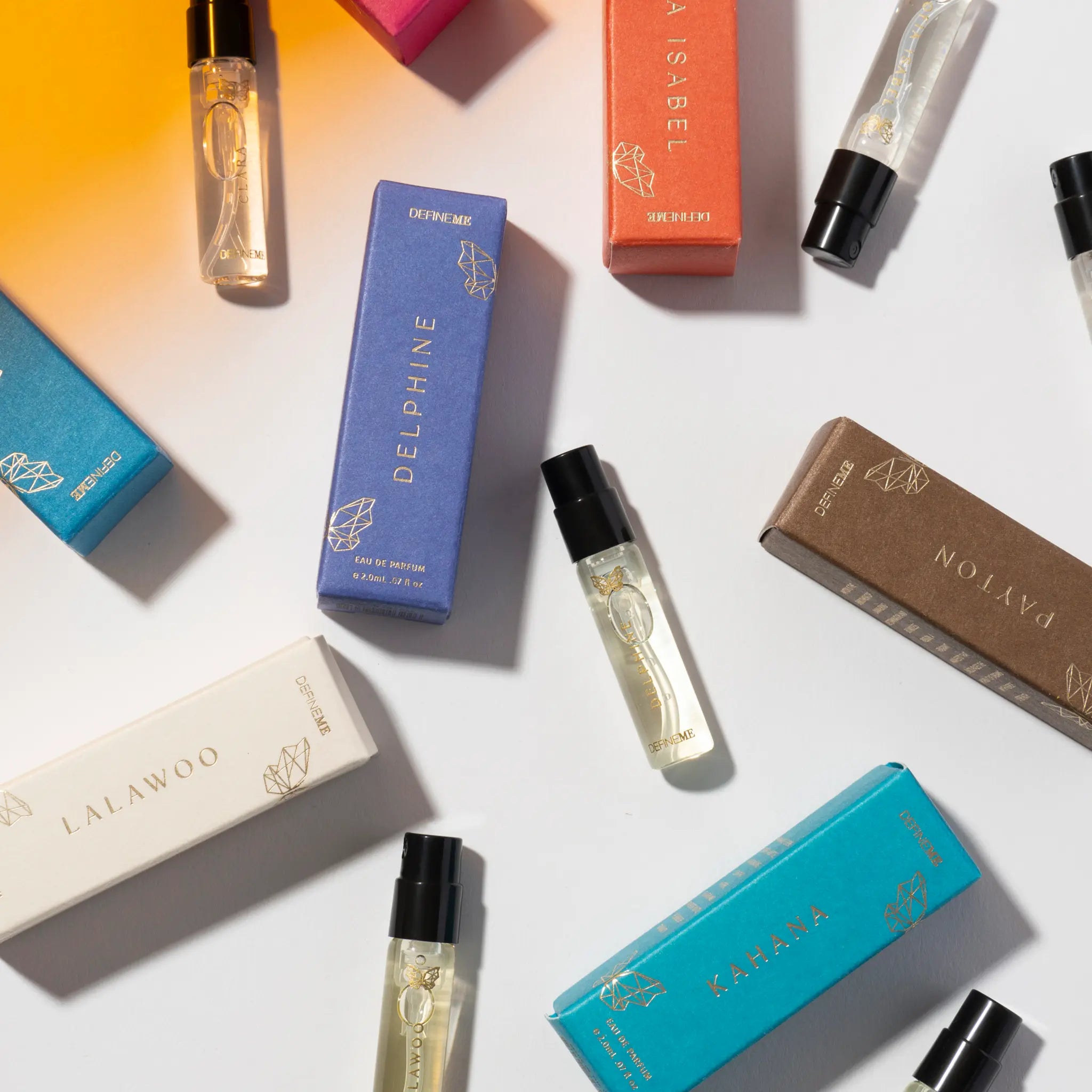
If you're wearing something rich and gourmand — think warm vanilla, brown sugar, or toasted praline like our Lalawoo — heat can make it feel almost decadent. Gorgeous for an evening out, potentially a lot for a 9am meeting.
Cold Mutes Everything
Cold does the opposite: it slows molecular movement, which means fragrance evaporates more slowly and sits closer to the skin. That's why perfume can feel "quiet" or barely-there in winter, even when you've applied your usual amount.
This isn't your fragrance getting weaker. It's just releasing more slowly. Base notes (the woods, musks, ambers) tend to hold up better in cold weather, while delicate top notes like citrus or light florals can get lost before anyone even catches them.
Humidity Changes the Diffusion, Not the Scent Itself
Humidity works a little differently. Moisture in the air actually helps carry fragrance molecules, which is why perfume can feel like it "blooms" or spreads more on a humid day, similar to how you can smell rain, flowers, or even food more strongly when the air is heavy with moisture. Humid skin can also hold fragrance oils slightly longer than dry skin, which affects longevity.
Dry air does the opposite. It pulls moisture from your skin, and dry skin doesn't hold onto fragrance as well as hydrated skin does. If you've ever felt like your perfume "disappeared" faster in winter, dry indoor heating is often the real culprit, not the fragrance itself.
So What Should You Actually Do About It?
- Moisturize first. Fragrance clings to hydrated skin far better than dry skin, in any season. An unscented lotion under your perfume extends wear time significantly.
- Reapply lighter in heat, layer more in cold. In summer, less is genuinely more since heat already amplifies everything. In winter, you can layer scent and lotion to help it last.
- Store your perfume away from heat and light. Temperature swings don't just change how a fragrance wears — repeated heat exposure can also degrade the juice inside the bottle over time. Keep it out of direct sun and away from a hot bathroom shelf.
- Let the season guide the scent, not just the mood. Lighter, brighter fragrances often perform better in heat because they're not fighting against amplification. Richer, warmer fragrances shine in cold weather because the low temperature keeps them from disappearing too fast.
The Takeaway
Your perfume isn't inconsistent. It's responding to its environment, just like your skin and hair do. Understanding how heat, cold, and humidity interact with fragrance means you can stop second-guessing your favorite scent and start choosing (and applying) it more intentionally, season after season.