

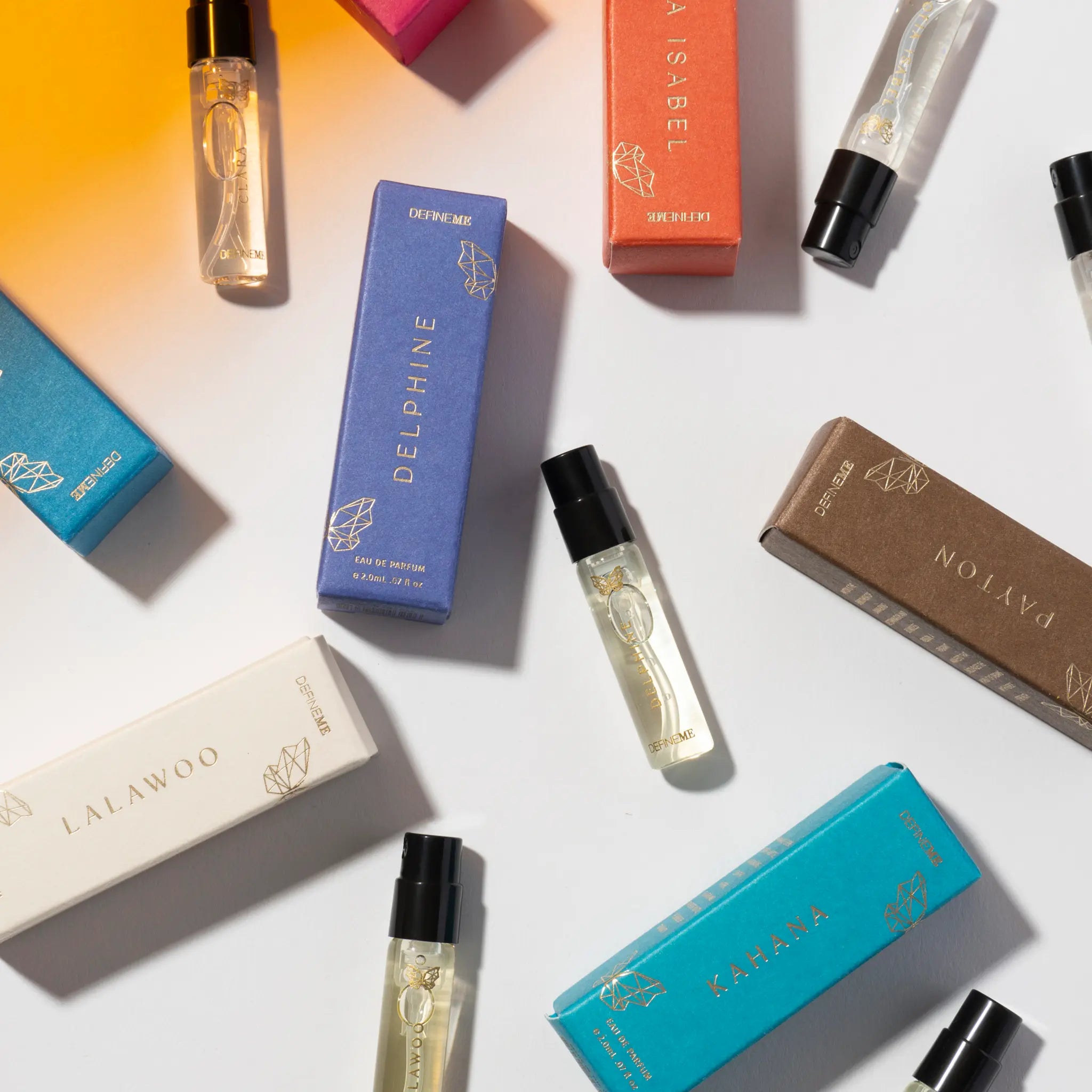

Walking into the world of fragrances can feel like learning a new language. Words like 'woody,' 'amber,' and 'sillage' get thrown around, and suddenly you're wondering if you need a translator just to buy perfume. But here's the good news: once you understand the basics of fragrance descriptions, you'll be able to confidently choose scents that truly match your style and preferences.
Understanding Fragrance Families
Think of fragrance families as the main categories that help organize scents. Just like genres in music, they give you a starting point. The main families include:
Floral: These scents revolve around flower notes like rose, jasmine, lily, or peony. They can range from fresh and airy to rich and heady. If a description mentions 'bouquet' or specific flower names, you're looking at a floral fragrance.
Amber: These are warm, spicy, and often sweet fragrances. Look for words like vanilla, amber, incense, cinnamon, or exotic spices. They tend to be rich and sensual.
Woody: Think sandalwood, cedar, vetiver, or patchouli. These fragrances evoke forests, bark, and earth. They're often described as grounding, sophisticated, or warm.
Fresh: This includes citrus (lemon, bergamot, grapefruit), aquatic, and green scents. Words like 'crisp,' 'clean,' 'bright,' or 'zesty' indicate a fresh fragrance. These are often perfect for daytime wear.
Decoding the Fragrance Pyramid
Most fragrance descriptions break down notes into three layers, often called the fragrance pyramid:
Top Notes: These are the first scents you smell when you spray a fragrance. They're usually light and evaporate quickly (within 15-30 minutes). Common top notes include citrus fruits, herbs, and light florals. If a description lists these first, that's what you'll experience initially.
Heart (or Middle) Notes: These emerge as the top notes fade and form the core character of the fragrance. They last longer—typically 2-4 hours. Look for floral, fruity, or spice notes here. This is often the 'true' personality of the scent.
Base Notes: These are the foundation that lingers longest, sometimes for hours or even days on clothing. Base notes are typically rich and heavy—think musk, amber, woods, vanilla, or leather. They give the fragrance staying power and depth.
When reading a description, pay attention to all three layers. A fragrance might start fresh and citrusy but dry down to something warm and musky—quite a different experience from start to finish!
Common Fragrance Terms Explained
Sillage: Pronounced 'see-yazh,' this refers to the trail a fragrance leaves behind you. 'Strong sillage' means others will smell you as you pass by. 'Soft sillage' means it stays closer to your skin.
Longevity: How long the fragrance lasts on your skin. This can range from 2-3 hours for light scents to 8+ hours for more concentrated formulas.
Projection: How far the scent radiates from your body. Similar to sillage, but focuses on the bubble of scent around you.
Dry down: The final phase of a fragrance, usually dominated by base notes. This is how the scent smells after a few hours of wear.
Accord: A combination of notes that creates a specific impression, like 'leather accord' or 'aquatic accord.' It's a harmonious blend of ingredients.
Concentration Levels Matter
You'll often see these terms in fragrance descriptions, and they indicate the strength and lasting power:
Parfum (or Extrait de Parfum): The most concentrated (20-30% fragrance oil), longest-lasting, and most expensive.
Eau de Parfum (EDP): Strong concentration (15-20%), lasts 6-8 hours. A popular choice for most fragrances.
Eau de Toilette (EDT): Lighter concentration (5-15%), lasts 3-5 hours. Great for everyday wear and warmer weather.
Eau de Cologne (EDC): Very light (2-5%), lasting 2-3 hours. Traditionally refers to fresh, citrus-based scents.
Reading Between the Lines
Fragrance descriptions often use evocative language to paint a picture. Here's how to interpret common descriptive words:
'Bright' or 'sparkling': Expect citrus or fresh notes that feel uplifting and energetic.
'Warm' or 'cozy': Look for vanilla, amber, or spice notes that evoke comfort.
'Green': Think fresh-cut grass, leaves, or stems—natural and outdoorsy.
'Powdery': Soft, talc-like scents often from iris, violet, or heliotrope. Vintage or classic feeling.
'Gourmand': Edible-smelling notes like vanilla, caramel, chocolate, or coffee. Think dessert in a bottle.
'Animalic': Musky, sometimes slightly raw or primal notes. Can include leather, musk, or civet.
Putting It All Together
Let's decode a sample description together:
'A vibrant citrus opening gives way to a heart of delicate white florals, grounded by warm sandalwood and creamy musk in the base. This fresh oriental fragrance has moderate sillage and excellent longevity, perfect for spring and summer wear.'
From this, you can understand:
The fragrance starts fresh and bright (citrus top notes), transitions to soft florals (heart notes), and finishes with warmth (woody and musky base notes). It's classified as fresh oriental, meaning it balances freshness with warmth. You won't overwhelm a room with it (moderate sillage), but it will last through your day (excellent longevity). It's best suited for warmer months when lighter scents shine.
Trust Your Nose
While understanding fragrance descriptions is incredibly helpful, remember that everyone's skin chemistry is different. A 'fresh aquatic' might smell crisp on one person and slightly soapy on another. Descriptions are guides, not guarantees.
The best approach is to use these descriptions to narrow down your options, then actually sample the fragrances on your own skin. Give them time to develop through all three note phases before making a decision.
Now that you've mastered the language of fragrance, you're ready to confidently explore new scents. Whether you're drawn to fresh florals or deep woody notes, you'll know exactly what to look for in a description—and more importantly, you'll know what to expect when you spray it on your skin.
Happy scent hunting!